
.svg)
Medical Laboratories Address Lists
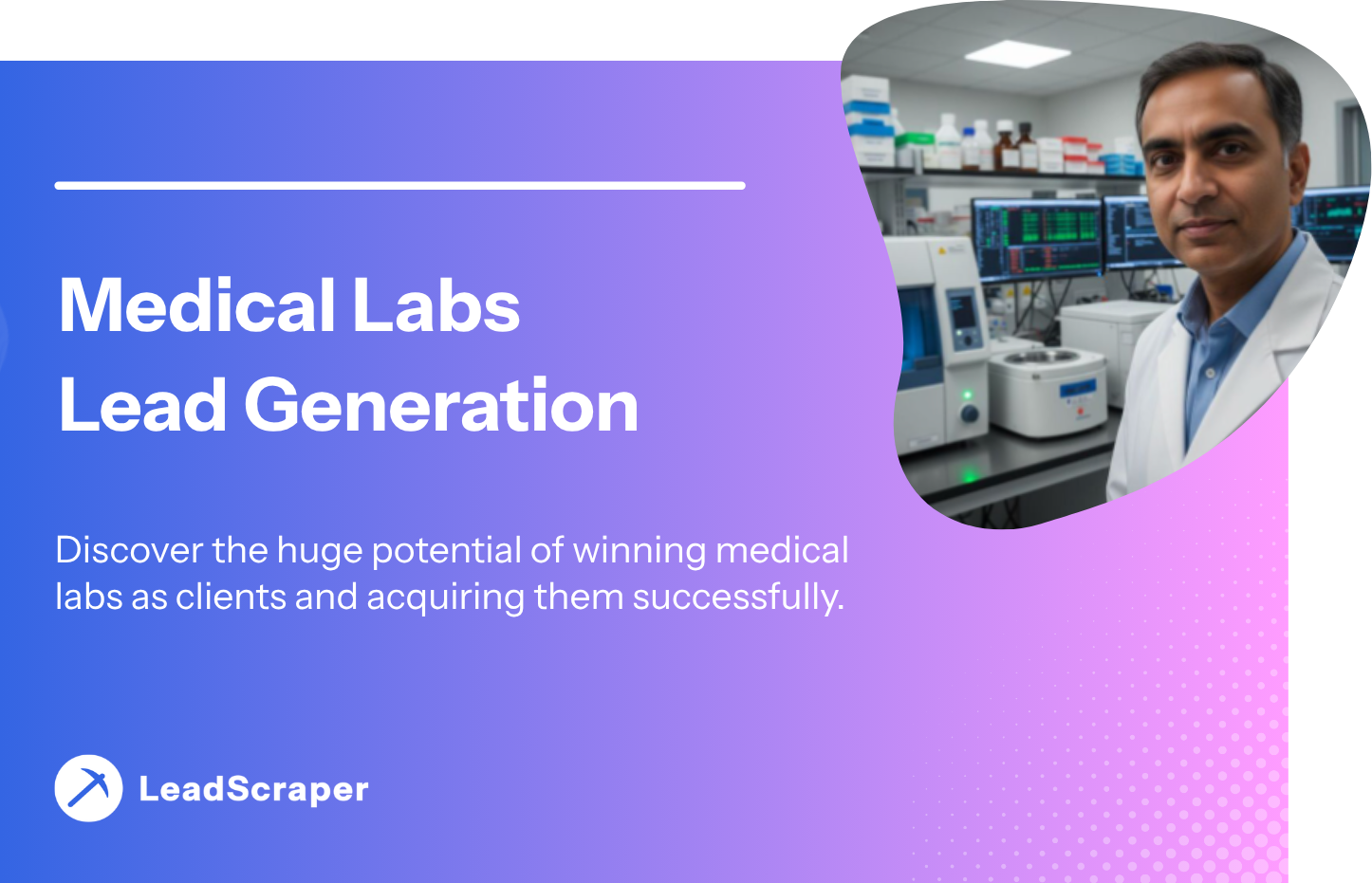
Reach medical laboratories with tailored strategies and increase your revenue through targeted outreach.
Generate B2B Leads with AI?
With LeadScraper, you can create relevant B2B lists in seconds. 100% GDPR compliant. No subscription!
CREATE TEST ACCOUNTMedical Laboratories as a Target Group: How to Reach Them in B2B Sales
It's Monday morning, 7:30 AM. The first samples are arriving at the lab, phones are ringing, a doctor is inquiring about the status of a blood test, while in the background, the equipment hums along routinely. Lab management juggles quality management, personnel planning, and new legal requirements. Amidst routine, time pressure, and the need for innovation, there's often little room for external offers – but precisely here lie the opportunities for smart B2B sales strategies.
Why Medical Laboratories Are an Exciting Target Group
Medical laboratories are the backbone of modern diagnostics. Over 70 percent of all medical diagnoses are based on laboratory results. At the same time, labs face immense pressure regarding costs, time, and innovation. Those who manage to make inroads into this sensitive infrastructure with genuine added value will gain a demanding yet extremely loyal customer base.
- Laboratories are highly specialized service providers with a great need for innovation, especially in the areas of automation, IT, quality assurance, and regulatory compliance.
- They often act as a link between doctors, hospitals, and patients, making them an attractive multiplier for many industries.
- Market access is challenging, as laboratories have high demands for data protection, reliability, and efficiency. At the same time, there's a shift underway: digitalization, skilled labor shortages, and new billing systems are opening up the market for providers who offer genuine solutions.
- The economic potential is high – both for software providers (laboratory information systems, interfaces, automation) and for equipment manufacturers, consulting service providers, and specialized agencies.
What Really Matters When Engaging Them
To win over medical laboratories, one must understand the mindset and working methods of decision-makers. Empty promises don't count; what matters are solid facts and a deep understanding of their daily challenges.
- Laboratories expect absolute reliability, data protection compliance, and demonstrable performance from providers.
- Communication should be factual, solution-oriented, and on an equal footing. Technical jargon is not a foreign concept but builds trust – but only if it doesn't seem forced.
- Decisions are usually made by a team, and lab management often acts as the gatekeeper. IT managers, quality management, and medical directors are important key decision-makers.
- Investments are carefully scrutinized; ROI, process improvement, and risk minimization are central. Those who argue with genuine references, clear figures, and practical scenarios will be taken seriously.
Strategy: How to effectively reach medical laboratories
The key to success lies in understanding the sales logic and argumentation structure that convinces medical laboratories. It's not enough to have a good product – it's about being perceived as an equal partner.
- Focus on in-depth needs assessments: Show that you understand the daily challenges of laboratories – from sample to result, from staff planning to auditing.
- Position yourself as a solution provider who not only sells products but also improves processes. Practical examples are more effective here than glossy brochures.
- Emphasize efficiency, error reduction, and safety. Show how your solution saves time, minimizes sources of error, or covers regulatory requirements.
- A long-term perspective is a key argument: Laboratories are not looking for quick vendor changes, but rather sustainable partnerships.
- References from comparable laboratories or successful pilot projects are worth their weight in gold – they build trust and lower the barrier to entry.
Practical tips for your targeted outreach
- Do targeted research: Find the right contacts (Laboratory Management, IT, QM, Medical Director) and address them directly – with reference to their specific challenges.
- Speak the language of laboratory medicine: Technical terms and knowledge of current regulations (e.g., Rili-BÄK, IVDR) demonstrate competence.
- Use data and facts in the initial contact: Short, precise arguments for increasing efficiency or preventing errors are more effective than platitudes.
- Provide tangible benefits: For example, a white paper on laboratory automation or a short checklist for preparing for new data protection regulations.
- Opt for small, low-commitment entry points: A short demo call, a pilot project, or trial access lowers the inhibition threshold.
- Keep follow-ups subtle but precise: No aggressive follow-ups, but targeted references to new developments, studies, or success stories.
- Consider timing: Laboratories have peak times (e.g., mornings) when they are difficult to reach. It's best to send emails or make calls in the afternoon or towards the end of the week.
Optimally target medical laboratories with Leadscraper
Targeted outreach begins with a precise selection of suitable laboratories. Leadscraper helps here by allowing you to filter laboratories by region, size, specialization, and relevant contacts. This way, you can reach not only large central laboratories but also specialized laboratories, hospital laboratories, or innovative private providers.
- Leadscraper identifies lab managers, IT managers, and medical decision-makers – the key gatekeepers for new solutions.
- You can specifically filter for lab facilities in certain federal states, cities, or by operator (private, public, university hospitals).
- Especially for providers of lab software, automation solutions, consulting services, or specialized equipment, Leadscraper can build precisely tailored target audience lists.
- Agencies and service providers who support labs with topics such as recruiting, digitalization, or quality management also benefit from targeted research.
The ability to quickly and reliably reach the right contacts significantly shortens the sales cycle and increases the success rate – especially in a market where time and precision are everything.
Conclusion
Medical laboratories are a demanding but extremely rewarding target group in B2B sales. Those who understand their way of working, communicate on an equal footing, and deliver genuine added value will find open doors here – even if they are rarely opened on the first knock. The potential for sustainable partnerships and innovative projects is enormous. Those who act strategically and competently now will secure a place as a relevant provider in the ecosystem of medical diagnostics.
Short & Sweet
Let AI agents work for you 24/7



LeadScraper: AI-powered B2B leads that truly convert. GDPR compliant. Results-driven.
Still have questions? Feel free to contact us at [email protected]